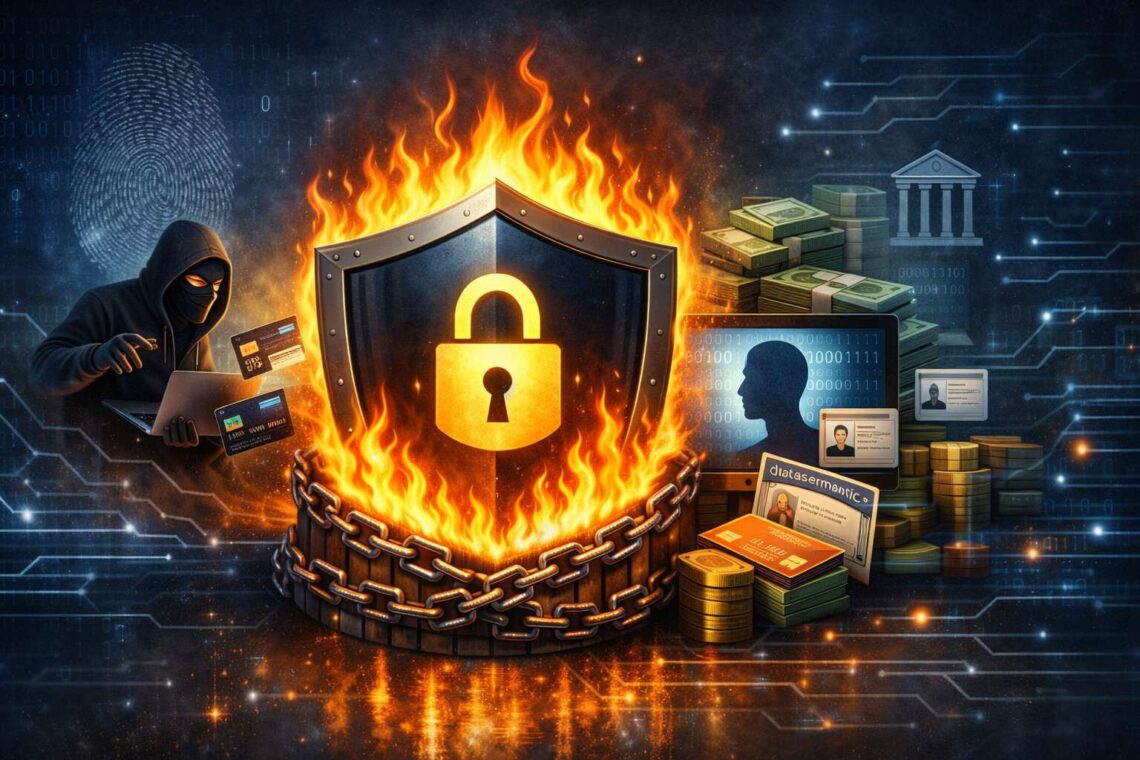
If you’ve ever woken up to a fraud alert, a mysterious credit inquiry, or a text from your bank that wasn’t quite right, you know the sinking feeling that follows. Identity theft isn’t just an inconvenience—it can derail your finances, drain your time, and wreak havoc on your credit. The good news: you can build a financial firewall that blocks most attacks and limits the damage if something slips through. Think of a financial firewall as layered protection. No single tool stops everything, but the combination of smart settings, strong habits, and a clear response plan dramatically reduces your risk. Here’s how to build yours.
Start with the strongest layer: freeze your credit
A credit freeze is the single most effective step you can take to stop new-account fraud. When your credit is frozen, lenders can’t pull your report—so scammers can’t open loans, cards, or utilities in your name.
What to do:
- Freeze your credit at all major bureaus: Equifax, Experian, TransUnion, and Innovis. It’s free, reversible, and doesn’t affect your score.
- Consider freezing your consumer banking report at ChexSystems (and Early Warning Services if available) to prevent fraudulent bank account openings.
- Keep your pins/keys safe. Use a password manager to store your freeze pins or login credentials so you can temporarily “thaw” your credit when needed.
- If you’re actively dealing with fraud, place a fraud alert. It requires lenders to take extra steps to verify you. Extended fraud alerts last up to seven years with an identity theft report.
Harden your logins like a pro
Attackers usually need access to your email or phone to crack open the rest of your financial life. Strengthen those gates first.
Core steps:
- Use a password manager. Create unique, long passwords (or passphrases) for every account. Reuse is the number one way a breach at one site turns into a disaster everywhere.
- Turn on multifactor authentication (MFA) everywhere that matters—especially email, bank, broker, tax, health insurance, and cloud storage. Prefer an authenticator app or hardware key over SMS codes.
- Embrace passkeys if your bank offers them. Passkeys reduce phishing risk by linking sign-ins to your device.
- Add a carrier account pin and a port-out lock with your mobile provider to deter SIM swaps.
- Strengthen “recovery” paths. Remove backup options you don’t need. Replace weak security questions with password-manager-generated answers.
Shrink your attack surface
The less data floating around about you, the safer you are. Make yourself a smaller target.
Practical moves:
- Opt out of prescreened credit offers in the U.S. at OptOutPrescreen.com to reduce mail theft risk.
- Remove yourself from data broker sites and “people finder” directories. Many offer opt-outs; prioritize the biggest ones first.
- Lock down social media. Hide your birthdate, address, and family details. Those are gold for social engineering.
- Use USPS Informed Delivery to keep an eye on incoming mail, and use a locking mailbox or a PO box if possible.
- Shred sensitive paperwork. Bank statements, insurance forms, and anything with your SSN or account numbers should never go in the trash intact.
Segment your money for safety
If all your money flows through one account, a single breach can be catastrophic. The solution: segmentation.
How to set it up:
- Keep savings and investments in separate institutions from your day-to-day spending. If a spending account is compromised, your core funds stay isolated.
- Use a dedicated bill-pay account with a limited balance. Fund it monthly, and keep high balances elsewhere.
- Prefer credit cards over debit cards for purchases. Credit cards typically offer stronger fraud protections and don’t expose your cash directly.
- Use virtual card numbers (single-use or merchant-locked) for online shopping and subscription trials.
- Set transaction controls in your bank app: ATM limits, international blocks, merchant category locks, and instant alerts for every charge.
Turn on real-time monitoring and alerts
Speed matters. The faster you catch fraud, the smaller the damage.
Do this now:
- Enable instant alerts for transactions, withdrawals, logins, and profile changes at banks, brokerages, and credit cards.
- Check your credit reports regularly. You can access free weekly online reports from the three major bureaus. Scan for unfamiliar accounts, addresses, and inquiries.
- Review your ChexSystems report annually for unknown bank accounts.
- Create a monthly “money audit” habit: reconcile accounts, skim statements, and verify payee and address details on file.
Secure your devices and networks
Even perfect financial hygiene can’t save you if your devices are compromised. Foundational steps:
- Update everything: operating systems, browsers, banking apps, and your router firmware. Turn on automatic updates where possible.
- Use built-in device encryption (BitLocker on Windows, FileVault on macOS, full-disk encryption on Android and iOS).
- Lock your screens with a strong passcode and enable auto-lock. Avoid easily guessable unlock patterns.
- Install reputable security software if you use Windows. On mobile, stick to official app stores and review app permissions.
- Protect your home network: strong Wi‑Fi password, WPA2 or WPA3 encryption, and a guest network for visitors and smart devices.
- Be careful on public Wi‑Fi. Use your phone’s hotspot or a trusted VPN when handling financial tasks.
- Back up important data securely. Ransomware and lost devices shouldn’t lock you out of your own identity or records.
Train yourself against scams
Most identity theft starts with social engineering. Learn the red flags and make them second nature.
Common traps:
- Phishing emails and texts: mismatched domains, urgent tone, “verify now” links, unexpected attachments. Never click through—navigate directly to the site or call the institution using the number on the back of your card.
- Voice scams: caller ID can be spoofed. If a “bank” calls, hang up and call back using a verified number.
- QR code bait: never scan codes from random flyers or emails for payments.
- Overpayment, refund, or tech-support scams: anyone asking you to buy gift cards, send crypto, or read back a code is scamming you.
Protect critical government and tax identities
Some of the worst damage comes from tax and benefits fraud.
Important moves:
- Create and secure online accounts before criminals do: IRS, Social Security, and your state tax portal. Turn on MFA.
- Consider an IRS Identity Protection PIN (IP PIN) to stop fraudulent tax returns in your name.
- If your driver’s license or state ID is compromised, contact your DMV for guidance on replacement numbers and fraud flags.
How to Invest in Quantum Computing (Before It Goes Mainstream)
How to Spot and Avoid Finfluencer Bad Advice on Social Media
Build a simple, repeatable routine
Consistency beats intensity. Set calendar reminders so you don’t have to rely on memory.
Suggested Measures:
- Weekly: glance at bank and card alerts, review recent transactions.
- Monthly: reconcile statements, check credit card recurring charges and active subscriptions.
- Quarterly: pull your credit reports, review privacy settings, rotate critical passwords if needed.
- Annually: test your account recovery methods, review beneficiaries, update your incident response plan, and refresh your data broker opt-outs.
What to do if you suspect identity theft
Act fast and document everything. A calm, methodical response can turn a crisis into a short-lived inconvenience.
Your incident response plan:
- Lock down money
- Contact your bank(s) and card issuers. Freeze or replace compromised cards and accounts. Ask for expedited replacements and new account numbers.
- If your phone or number is involved, immediately contact your carrier, set a new account pin, and restore control.
- Shut the door on new accounts
- Place a credit freeze at Equifax, Experian, TransUnion, and Innovis (or ensure it’s already frozen).
- Add a fraud alert if you’re not using a freeze.
- Create an official paper trail
- In the U.S., go to IdentityTheft.gov for a personalized recovery plan and to generate an Identity Theft Report. Share this with creditors to remove fraudulent accounts and inquiries.
- File a police report if required by a creditor or if you know the perpetrator.
- Save all correspondence, case numbers, and screenshots.
- Targeted follow-ups
- Tax fraud: file IRS Form 14039 (Identity Theft Affidavit) and consider an IP PIN going forward.
- Bank account fraud: check ChexSystems and dispute unauthorized entries.
- Driver’s license fraud: notify the DMV.
- Utilities or phone accounts opened in your name: contact the provider’s fraud department.
- Reset access
- Change passwords and rotate MFA secrets for email, bank, carrier, and any affected services.
- Review app connections, authorized devices, and forwarding rules in your email and cloud accounts.
Smart myths vs. reality
- Myth: Credit monitoring alone will protect me. Reality: It can alert you, but it won’t stop new accounts. A credit freeze actually blocks them.
- Myth: I’m not rich, so I’m not a target. Reality: Criminals automate attacks. They want volume, not just whales.
- Myth: SMS codes are enough. Reality: Better than nothing, but vulnerable to SIM swaps. Prefer app-based MFA or hardware keys.
Tools worth considering
- Password manager for unique credentials and secure notes (store freeze pins and recovery codes here).
- Authenticator app or hardware security keys for MFA.
- Bank apps with card controls, merchant locks, and instant alerts.
- Shredder for documents and a locking mailbox.
- Virtual cards for online merchants.
SEO-friendly key takeaways
- Freeze your credit with all bureaus—it’s free, fast, and the strongest defense against new-account fraud.
- Use a password manager and MFA (preferably app or hardware key) to secure email, banking, and tax accounts.
- Segment your money with separate institutions and accounts to limit blast radius.
- Turn on real-time alerts and review credit reports regularly.
- Reduce your online footprint by opting out of data brokers and prescreened offers.
- Have a written incident response plan so you can act quickly.
A quick story to drive it home
A colleague once got locked out of their bank in the middle of a SIM swap: the attacker ported their number, intercepted SMS codes, and tried to drain funds. What saved them? Their email was protected with an authenticator app on a separate device, the bank required app-based MFA, and their savings were at a different institution. The attacker hit a wall, and the colleague’s “financial firewall” held. That’s the power of layered defenses.
A final word
You don’t need to be a security expert to be hard to hack. Freeze your credit. Lock down your logins. Segment your money. Turn on alerts. Keep your plan handy. These steps don’t just reduce risk—they buy you peace of mind, which might be the most valuable asset of all.