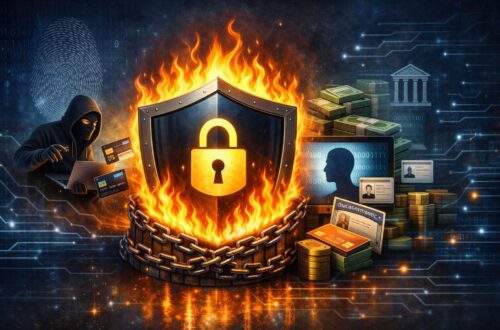
Introduction: The Hidden Danger of Easy Credit
Credit cards are powerful financial tools that offer convenience, cashback, and reward points. When managed wisely, they help build a strong credit score and provide short-term liquidity. But when misused, they can lead to a vicious debt trap that affects not only your finances but also your mental well-being.
In this article, we’ll explore a realistic case study on credit card misuse, how it leads to unmanageable debt, and practical lessons to help you avoid the same mistakes. Whether you are a student, a working professional, or a small business owner, understanding this story can save you from years of financial struggle.
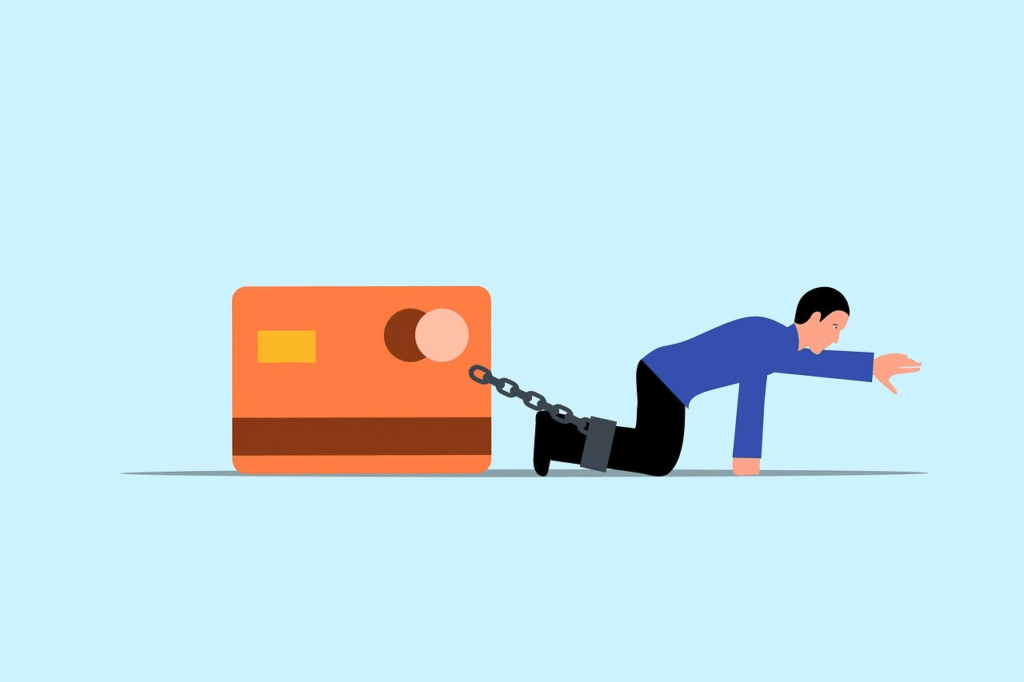
Case Study: How Rohan Fell into a Credit Card Debt Trap
The Beginning
Rohan, a 27-year-old marketing executive, had just started his first job in Bengaluru. Excited about his new income, he applied for a credit card with a ₹1,00,000 limit. Like many first-time users, he saw it as a sign of financial freedom.
At first, he used his credit card for small expenses — dinners, fuel, and movie tickets. But as his lifestyle expanded, so did his spending habits. He began using his card for vacations, new gadgets, and online shopping sprees during sales.
When his first bill arrived for ₹85,000, he realized he couldn’t pay the full amount. To keep his card active, he paid just the minimum due — ₹4,250 — believing it would solve the problem. That was the biggest mistake of his financial life.
The Growth of Debt: How the Situation Spiraled
Rohan’s minimum payment covered only 5% of his total dues. The remaining 95% carried an annual interest rate of nearly 36%, compounded monthly. This meant his ₹80,000 balance quickly grew with every passing month.
Instead of reducing his debt, every new bill added interest, late payment charges, and taxes. Within six months, Rohan’s outstanding balance had crossed ₹1,40,000.
To escape the pressure, he applied for a second credit card and used it to pay the first one’s bill — a dangerous cycle that many fall into. Soon, he was managing multiple cards, missing due dates, and receiving calls from collection agents.
The Key Mistakes That Led to Debt
Rohan’s experience highlights several common mistakes that push people into credit card debt.
1. Paying Only the Minimum Balance
Paying the minimum due gives a false sense of relief. It prevents immediate default but allows interest to pile up rapidly.
2. Ignoring Budgeting
Rohan never tracked his expenses. Without a monthly spending plan, he couldn’t see how much he was overspending compared to his income.
3. Impulsive and Emotional Spending
He used credit to fulfill desires — new clothes, expensive dinners, and weekend trips — rather than needs. Emotional spending is one of the biggest credit card traps.
4. Taking Multiple Credit Cards
Applying for new cards to pay old dues worsened his financial stress. This strategy hides the problem temporarily but increases total debt exposure.
5. Lack of Financial Literacy
Rohan didn’t understand how credit card interest works. Most users don’t realize that unpaid balances attract compounding interest, which can double the debt in less than two years.
Consequences of Credit Card Misuse
By the end of the year, Rohan’s situation had become alarming. Here’s what he faced:
1. Debt Trap
His monthly income was barely enough to pay interest. The principal balance remained untouched.
2. Falling Credit Score
Missed payments caused his CIBIL score to drop from 760 to 590, reducing his ability to get personal loans or rent an apartment easily.
3. Collection Calls and Harassment
Banks started sending reminders and calls from recovery agents, adding psychological pressure.
4. Mental Stress and Anxiety
Constant financial pressure led to sleepless nights and stress. Studies show that debt can significantly affect mental health.
5. No Savings or Emergency Fund
Rohan had spent all his salary on repayments, leaving him with no financial cushion for emergencies.
How Rohan Recovered and Became Debt-Free
After almost a year of financial chaos, Rohan decided to rebuild his finances. Here are the steps that helped him recover:
1. Debt Consolidation
He took a personal loan at 14% interest to pay off his credit card bills that were charging 36%. This reduced his monthly burden significantly.
2. Strict Budgeting System
He implemented the 50-30-20 rule:
- 50% for needs (rent, food, bills)
- 30% for wants (entertainment, travel)
- 20% for savings or debt repayment
This system gave him clarity and control over his money.
3. Stopped Using Credit Cards Temporarily
Rohan decided to rely on debit cards and UPI payments until he could manage his spending responsibly.
4. Credit Counseling and Education
He attended online workshops and learned about credit utilization, repayment strategy, and credit score improvement.
5. Created an Emergency Fund
Rohan started saving ₹5,000 per month. Within six months, he built a small emergency fund, ensuring he never needed to rely on credit for urgent expenses again.
Lessons to Learn from This Case Study
Rohan’s story is not unique. Thousands of people fall into the same trap each year. Here are the main takeaways:
- Credit Cards Are Tools, Not Income Sources: Use them to manage cash flow, not to extend your lifestyle.
- Always Pay in Full: Avoid paying the minimum amount due — it’s designed to benefit banks, not you.
- Track Spending Monthly: Apps like Money Manager or Walnut can help you monitor where your money goes.
- Keep Credit Utilization Below 30%: Using less than one-third of your total limit helps maintain a healthy credit score.
- Build an Emergency Fund: At least 3–6 months of expenses should be saved in a liquid account.
- Avoid Multiple Cards Unless Needed: More cards mean more temptation and higher chances of mismanagement.
- Seek Help Early: If you’re unable to manage debt, consult a financial advisor or a credit counselor before it’s too late.
Financial Awareness: How to Use Credit Cards Wisely
To avoid falling into debt like Rohan, adopt these responsible habits:
- Set a Spending Limit: Treat your credit limit as an emergency backup, not spending power.
- Pay Bills on Time: Automate payments to avoid interest and penalties.
- Review Statements Monthly: Check for hidden charges or fraudulent transactions.
- Use Reward Points Smartly: Redeem points for necessary items instead of impulsive buys.
- Understand Your Interest-Free Period: Most cards offer 45–50 days interest-free; use it strategically.
Psychological Aspect of Credit Card Misuse
Credit cards can create an illusion of wealth. When you don’t see money physically leaving your wallet, it’s easy to underestimate your expenses. The combination of easy swipes, attractive offers, and social comparison can drive overspending.
Understanding the psychology behind spending is as important as understanding the math of interest rates. Financial discipline begins with self-awareness — knowing your emotional triggers and resisting instant gratification.
Conclusion: Stay in Control, Not in Debt
Credit cards, when used responsibly, can help you build financial credibility and earn rewards. But when misused, they can destroy years of hard work. Rohan’s case study teaches us that financial literacy, discipline, and awareness are essential in the age of easy credit.
Before using your card, ask yourself:
“Can I pay this full amount next month without stress?”
If the answer is no, it’s better to wait, save, and spend later. Remember, true financial freedom is not about having more cards—it’s about having control over your money.